
我唾弃你的坟墓
《促进网信企业高质量发展行动计划(2026-2030年)》答记者问_我的网站

一 | 近日,中央网络安全和信息化委员会印发《促进网信企业高质量发展行动计划(2026-2030年)》(以下简称《行动计划》)。
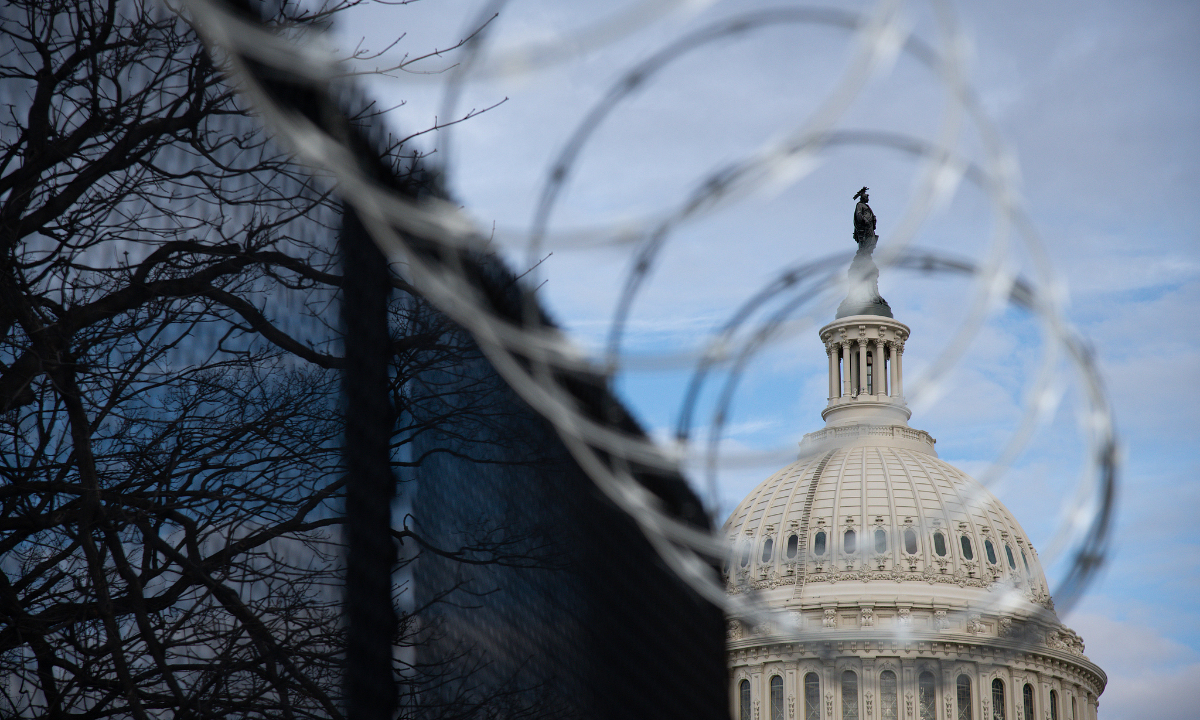
The US Senate on Friday overwhelmingly approved a bill that would impose sanctions on buyers of Russian oil, a measure that had long been championed by the late senator Lindsey Graham before his death last month, CNBC reported. A Chinese expert criticized the legislation, warning that if implemented, the bill, driven largely by political motives aimed at catering to US domestic political correctness, could severely disrupt the already fragile global energy market and economy. He also noted that the bill is essentially a tool of political coercion, weaponizing tariffs and unilateral sanctions to hijack normal global energy trade and override sovereign economic choices of independent nations.
The legislation, named The Lindsey O. Graham Sanctioning Russia and Iran Act of 2026, aims to hurt Russia's war effort in Ukraine by penalizing purchasers of Russian oil and Russian leaders. It passed with bipartisan support 86-11 and will now proceed to the House, which is on recess until September, per CNBC.
The bill would impose tariffs of up to 100 percent on countries that are among the top five purchasers of Russian crude oil or gas, which includes China and India.
It also includes sanctions targeting Russian leaders, officials, targeting Russian leaders, oligarchs and financial institutions. At the request of US President Donald Trump, the bill extends sanctions on Iran's weapons and energy sectors, CNBC reported.
Notably, the bill's excessive tariff discretion has sparked fierce internal doubts within US political circles. Representatives Gregory Meeks of New York and Don Beyer of Virginia said in a statement they still had "fundamental concerns" about the tariff powers for the president, who has made them a central piece of his "America First" approach to foreign policy.
"What the bill does grant ... are sweeping new tariff authorities that the president could weaponize with abandon, as he has repeatedly done in the past," said Meeks, the top Democrat on the House Foreign Affairs Committee, and Beyer, the senior Democrat on the Joint Economic Committee, according to Reuters.
Chinese experts have strongly criticized the bill's politically driven nature, its economic coercion, and its severe spillover risks to the global economy.
The bill, aimed at putting pressure on Russia, would disrupt global energy markets and create new uncertainties for the world economy if implemented, Yang Jin, associate research fellow at the Institute of Russian, Eastern European and Central Asian Studies under the Chinese Academy of Social Sciences, told the Global Times.
Many economies retain legitimate, market-based energy cooperation with Russia out of practical economic and energy security needs. Russia's energy exports have long been a key component of the global energy system, with countries including India and some European nations continuing to rely on Russian oil and gas, said Yang, noting that even some European countries have received exemptions to maintain energy imports from Russia, underscoring the role of Russian supplies in supporting economic stability.
India's reliance on Russian crude increased further after the conflict in West Asia disrupted shipping through the Strait of Hormuz. With Gulf supplies affected during the US war on Iran, Indian refiners turned more heavily towards Russian oil as an alternative source, Indian media Hindustan Times reported on Saturday after US Senate passed the bill.
When asked about the bill on July 15, Lin Jian, spokesperson from China's Ministry of Foreign Affairs said that China firmly opposes unilateral sanctions that have no basis in international law or authorization of the UN Security Council, and will take necessary measures to firmly defend the legitimate rights and interests of Chinese businesses and citizens.
Practicing double standards and resorting to coercion and pressuring will eventually prove to be self-defeating, said Lin.
Yang further pointed out that the push for the bill, labeled after Lindsey Graham, who was known as one of the toughest Russia hawks in Washington, lays bare Washington's distorted domestic political logic.
The legislation, which represents another typical case of US hegemonic long-arm jurisdiction, is largely designed to ease US domestic governance pressure. As the Trump administration fails to deliver substantive progress in de-escalating the Russia-Ukraine conflict as promised, ramping up external sanctions and forcing third-party sovereign countries into abandoning normal economic and trade cooperation has become a convenient political tool for US politicians to showcase tough posturing and ease domestic pressure, Yang said.
。中央网信办有关负责同志就《行动计划》回答了记者提问。 1.问:制定出台《行动计划》的背景和目的是什么? 答:网络信息技术是全球研发投入集中、创新活跃、应用广泛、辐射带动作用显著的技术创新领域。以网络信息技术为核心驱动力、以网络安全和信息化为主要业务的网信企业是网络强国建设的重要力量,对培育发展新质生产力、巩固提升国际竞争力具有关键作用。 党中央高度重视网信企业发展。

二 | 习近平总书记指出,发展数字经济,离不开一批有竞争力的网信企业。强调要坚定不移支持网信企业做大做强,加强规范引导,促进其健康有序发展。企业发展要坚持经济效益和社会效益相统一,更好承担起社会责任和道德责任。近年来,我国网信企业快速发展,形成了一批规模较大、有国际影响力的大型企业,培育了一大批创新型中小企业,在促进创新、推动发展、创造就业、国际竞争等方面发挥了重要作用。 制定出台《行动计划》是贯彻党中央关于网络强国建设和“十五五”时期网信工作有关部署的具体举措,目的是进一步强化政策引领和要素保障,激发各类网信企业活力,规范引导网信企业健康有序发展,推动网信企业走高质量发展之路,实现质量更好、效益更高、竞争力更强、影响力更大的发展。

三 | 2.问:《行动计划》的总体考虑是什么? 答:《行动计划》坚持以习近平新时代中国特色社会主义思想为指导,深入贯彻党的二十大和二十届历次全会精神,认真落实四中全会部署,深入学习贯彻习近平总书记关于网络强国的重要思想,完整准确全面贯彻新发展理念,加快构建新发展格局,坚持鼓励支持和规范发展并行、政策引导和依法管理并举、经济效益和社会效益并重,以优质网信企业培育服务为主线,加快提升网信企业的技术创新、赋能产业、国际化经营和安全发展能力,持续优化营商环境与要素保障,统筹推动高质量发展、高水平安全和高效能治理,做强做优做大网信企业,为网络强国建设提供有力支撑。 3.问:《行动计划》的主要目标是什么? 答:《行动计划》提出,到2030年,我国网信企业综合实力显著增强,科技创新力、产品硬实力、服务竞争力明显提升,网信产业生态和发展环境全面优化,安全规范、健康有序发展的制度体系更加健全,网信企业赋能经济社会高质量发展的作用更加凸显。 4.问:《行动计划》部署了哪些重点行动? 答:《行动计划》明确了7项行动21条举措。一是企业培育服务行动,建立完善优质网信企业培育服务机制,针对生态主导型、产业引领型、高成长创新型三类企业分类施策开展培育服务。二是创新能力提升行动,加强关键核心技术攻关、强化企业创新主体地位、推动科技成果转化应用。

四 | 三是赋能产业升级行动,赋能制造业数字化转型、数字乡村建设、数字消费提质升级,推动企业绿色低碳发展。四是海外市场拓展行动,支持企业有序“走出去”、构建企业出海服务体系。五是安全有序发展行动,守牢安全底线、防范无序竞争、加强网络法治建设。六是营商环境优化行动,营造公平竞争市场环境、优化营商网络环境。七是发展要素保障行动,强化金融支持、数据保障、人才支撑。 5.问:下一步就落实《行动计划》有哪些工作举措? 答:在中央网络安全和信息化委员会领导下,依托国家信息化发展工作统筹协调机制加强部门会商、协调配合,形成发展合力,切实推进《行动计划》重点任务落实。中央网信办建立健全网信企业监测和动态分析机制,定期听取企业意见建议,加强政策评估,及时总结推广做法经验。同时,推动各地网信部门及时了解网信企业发展过程中遇到的难题,加大惠企政策宣贯力度,确保各项政策措施落地见效。
Current article:http://zhdodox.cibianpangjujiusu.cyou/news/20260826_8395.docx
Published on:03:00:34
栏目相关
- 国内期市早盘开盘燃料油跌近7%
- 武切维奇:詹姆斯的经验和球商将给费城带来帮助
- 顺丁橡胶样本生产企业库存量为2.06万吨,环比上周同期下降2.61%
- Middle route of South-to-North Water Diversion transfers over 80 billion cubic meters of water to north China
- 兴城市规范市场经营秩序 构建和谐旅游环境
- 最新!抚顺市继续发布道路结冰黄色预警
- 记者:桑乔2500万镑买断条款已激活 切尔西不买断需付500万违约金
- 全国粮食品牌建设工作推进会在吉林召开
- K联赛彩经:大田主场恐难敌蔚山
- 绿电金融实践项目荣获优秀案例一等奖
- 贝索斯的妻子对贝索斯说:嫁给他就像赢得了一个奖项。
- Indonesia bans syrup medicines as children die
热门排行
- Qingdao becomes Asia-Pacific’s sole Boeing 777 freighter conversion hub, with first production line set to start operation in September
- 没必要啊狄龙被犯规倒地 又把身前的小佩顿给带着拽倒了
- 绥中荒地镇开展“守护蔚蓝海岸,环保从我做起”活动
- 记者:切尔西可能再次报价伯恩茅斯中场斯科特,为恩佐离队做准备
- Latiao: The spicy Chinese snack winning fans worldwide
- 8192级压力传感器,Wacom Xindi 16HD液晶数字屏推出
- 2026年08月25日苯乙烯产业价格涨跌榜
- “船搭船”助力“闽造”船舶驶出“加速度”
- 首创期货:现货走弱,玻璃期价震荡走低
- 16 people burned with varying severity at torch festival in Yunnan: local government
- 迪萨西:加盟水晶宫主教练起了很大作用 期待同曼城的比赛
- 杭台高铁温玉段昨天开通运营 玉环圆梦高铁 最快1小时47分抵杭